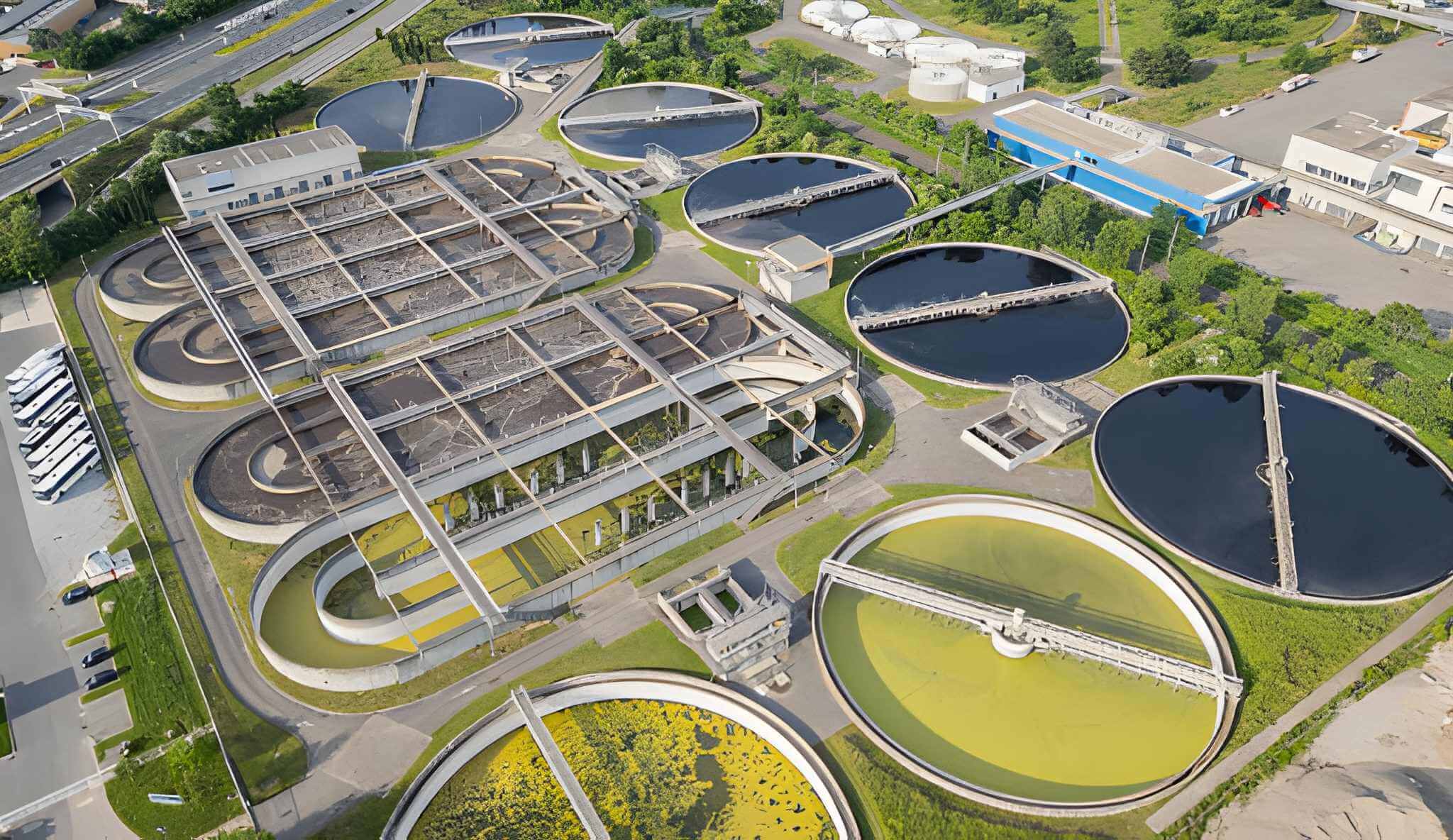
How Sewage Treatment Plants Work: Step-by-Step Process Explained
Sewage Treatment Plants (STPs) play an essential role in maintaining environmental hygiene and protecting public health. They treat domestic wastewater before safely discharging it into natural water bodies or reusing it for non-potable purposes. Understanding how sewage treatment plants work helps communities and industries ensure sustainable wastewater management and cleaner surroundings.
What is a Sewage Treatment Plant?
A Sewage Treatment Plant is a facility designed to remove contaminants from wastewater, primarily from households and commercial establishments. The goal is to produce clean, environmentally safe water and manage sludge generated during treatment. The sewage treatment plant system helps in reducing pollution and conserving natural water resources.
Objective and Importance of Sewage Treatment Plants
The main objective of a sewage treatment plant is to treat wastewater so that it meets environmental discharge standards. The importance of sewage treatment plants lies in their ability to:
- Prevent contamination of rivers, lakes, and groundwater
- Control the spread of waterborne diseases
- Enable reuse of treated water for gardening or industrial purposes
- Promote sustainable water resource management
The purpose of a sewage treatment plant is not only to protect the environment but also to support a circular water economy.
How Sewage Treatment Plants Work
The working of a sewage treatment plant involves a series of physical, biological, and chemical processes that remove solids, organic matter, and harmful microorganisms from wastewater. The STP water treatment process is divided into multiple stages that ensure the treated water is safe for discharge or reuse.
Knowing how sewage treatment plants work helps operators, engineers, and students understand the technology behind modern wastewater management.
Step-by-Step Sewage Treatment Plant Process
1. Preliminary Treatment
This is the first stage in the working of a sewage treatment plant. Large materials such as plastics, rags, and grit are removed using screening and grit chambers. This step prevents damage to pumps and mechanical equipment in later stages.
2. Primary Treatment
In this stage, wastewater flows into sedimentation tanks where heavier solids settle at the bottom. The settled material, known as sludge, is separated and sent for further treatment. The primary stage removes a significant portion of suspended solids and floating debris.
3. Secondary (Biological) Treatment
This is the core of the sewage treatment plant process. Biological treatment uses microorganisms to decompose organic matter present in wastewater. Common systems include the Activated Sludge Process (ASP), Sequential Batch Reactor (SBR), and Moving Bed Biofilm Reactor (MBBR).
Aeration plays an important role in this stage as it provides oxygen to microorganisms, enabling efficient breakdown of pollutants. Understanding how sewage treatment plants work at this biological level is key to improving treatment efficiency.
4. Tertiary Treatment
Tertiary treatment is an advanced step used to polish the treated water. It includes filtration, disinfection (using chlorine or UV light), and nutrient removal. This stage ensures the treated water meets regulatory discharge or reuse standards.
5. Sludge Handling and Disposal
Sludge collected from the primary and secondary stages is further processed to reduce volume and moisture. Equipment such as the Screw Dehydrator is often used for sludge dewatering. Proper sludge management ensures minimal environmental impact.
Working Principle of STP Plant
The working principle of an STP plant is based on the removal of physical, chemical, and biological impurities from wastewater. It follows a systematic approach that combines mechanical separation, biological oxidation, and final polishing to produce safe effluent. This principle forms the foundation of how sewage treatment plants work in both small- and large-scale systems.
Types of Sewage Treatment Plants
Different treatment technologies are available depending on space, inflow capacity, and application:
- Activated Sludge Process (ASP): Common in municipal treatment systems
- Sequential Batch Reactor (SBR): Suitable for variable flow conditions
- Moving Bed Biofilm Reactor (MBBR): Compact and efficient for smaller plants
- Membrane Bioreactor (MBR): Produces high-quality effluent for reuse applications
Each type of sewage treatment plant offers specific advantages depending on site conditions and treatment objectives.
Sewage Treatment Plant in India: Overview and Challenges
In India, the demand for efficient sewage treatment plants has increased rapidly due to urbanization and industrial growth. Many cities are upgrading to modern STP systems to meet discharge norms and reuse treated water. However, challenges such as irregular maintenance, high energy consumption, and lack of public awareness still exist.
Promoting energy-efficient aeration systems and preventive maintenance programs can help improve plant performance and sustainability.
Conclusion
Sewage Treatment Plants are a vital part of modern infrastructure, ensuring clean water and a healthier environment. By understanding how sewage treatment plants work and maintaining them properly, communities can reduce pollution and support long-term water sustainability.
The sewage treatment plant process is essential for urban development and plays a key role in India’s smart city and water conservation goals.
Frequently Asked Questions (FAQ)
- What is the main purpose of a sewage treatment plant?
The purpose of a sewage treatment plant is to treat wastewater and remove contaminants before it is discharged or reused. - How does a sewage treatment plant work?
It works through stages such as preliminary, primary, secondary, and tertiary treatment, followed by sludge handling. - What are the types of sewage treatment plants?
Common types include ASP, SBR, MBBR, and MBR systems. - What is the working principle of an STP plant?
It uses mechanical, biological, and chemical methods to purify wastewater. - Why are sewage treatment plants important in India?
They help reduce water pollution, conserve resources, and support sustainable development in growing cities.